Sophie's Trips
Healing Mie's finest beauty salon for you
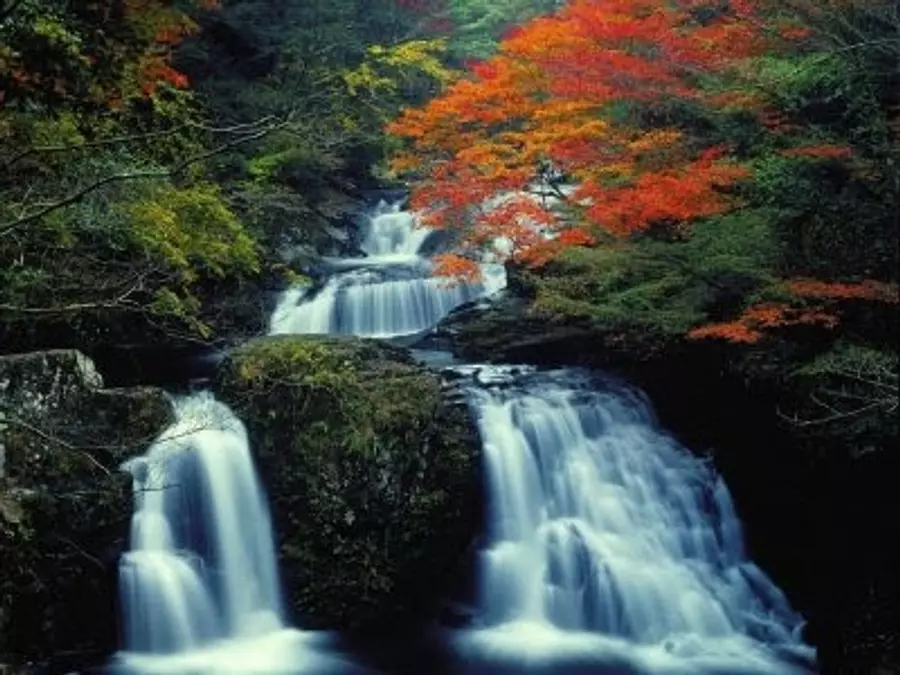
A recommended course for women's groups who enjoy stylish hotels and beauty salons, and are soothed by forests and waterfalls!
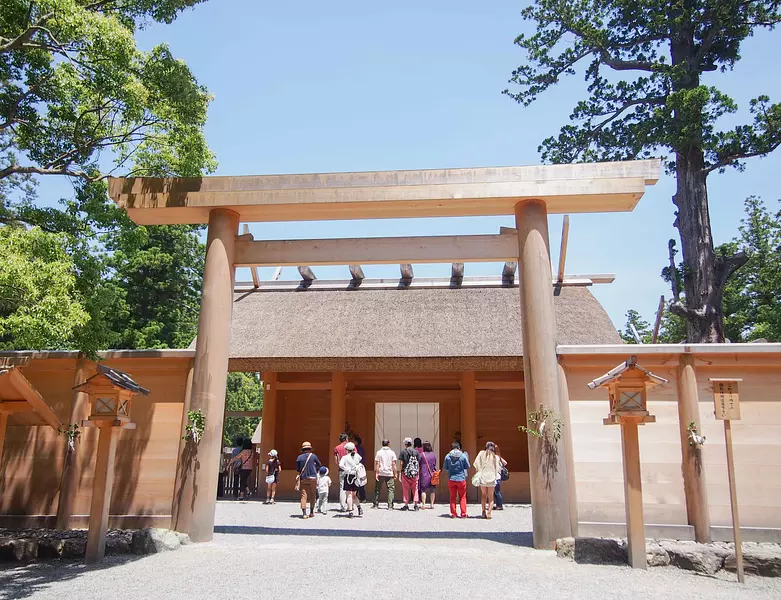
IseJingu Geku
Toyouke-daijingu
10:00 - 10:45
Toyouke-daijingu, located in the center of IseCity with Mt. Takakura in the background, enshrines Toyouke-no-Omikami. Toyouke-no-Omikami is the deity responsible for the meals of Amaterasu-Omikami in Naiku, and is also revered as the guardian deity of food, clothing, shelter, and industry. Passing through the torii gate, stepping on the gravel, and walking along the approach path with gentle sunlight filtering through the trees, you will be filled with a refreshing feeling.
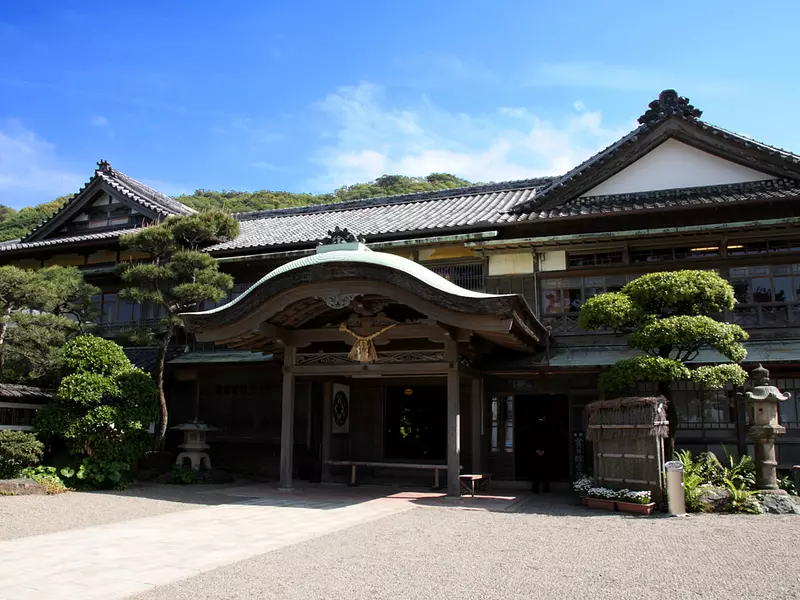
Guest house
11:00 - 11:45
The Guest House, located on FutamiuraBeach of Futamiura, was built in 1897 and is a historic building where successive members of the imperial family and dignitaries from all walks of life came to worship at IseJingu. It is currently open to the public as a museum. The Momoyama-style folded coffered ceiling and chandelier are a beautiful fusion of Japanese and Western style. The building is a nationally designated important cultural property, and the garden is a nationally designated scenic spot.You can see traditional Japanese architecture, such as the dignified design by the top architects of the time, the carefully selected materials, and the skills of the craftsmen.
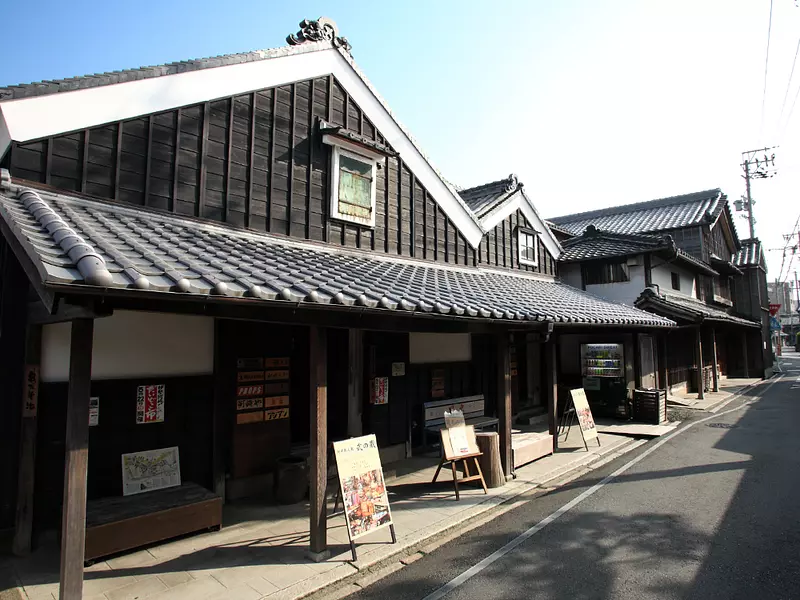
Kawasaki townscape
12:00 - 13:00
Stroll through the port town that was once called the ``Kitchen of Ise''. There are also cafes and shops in old warehouses, making it a ``kura no town'' where you can enjoy a walk through the town with an atmosphere of elegance. Along the Seta River, merchant houses with white plaster walls and storehouses with thick blackboard walls remain, reminiscent of the Edo period, when the town was a thriving town that welcomed visitors to IseJingu.
IseJingu Geku
oyouke-daijingu
13:15 - 14:15
Toyouke-daijingu, located in the center of IseCity with Mt. Takakura in the background, enshrines Toyouke-no-Omikami. Toyouke-no-Omikami is the deity responsible for the meals of Amaterasu-Omikami in Naiku, and is also revered as the guardian deity of food, clothing, shelter, and industry. Passing through the torii gate, stepping on the gravel, and walking along the approach path with gentle sunlight filtering through the trees, you will be filled with a refreshing feeling.
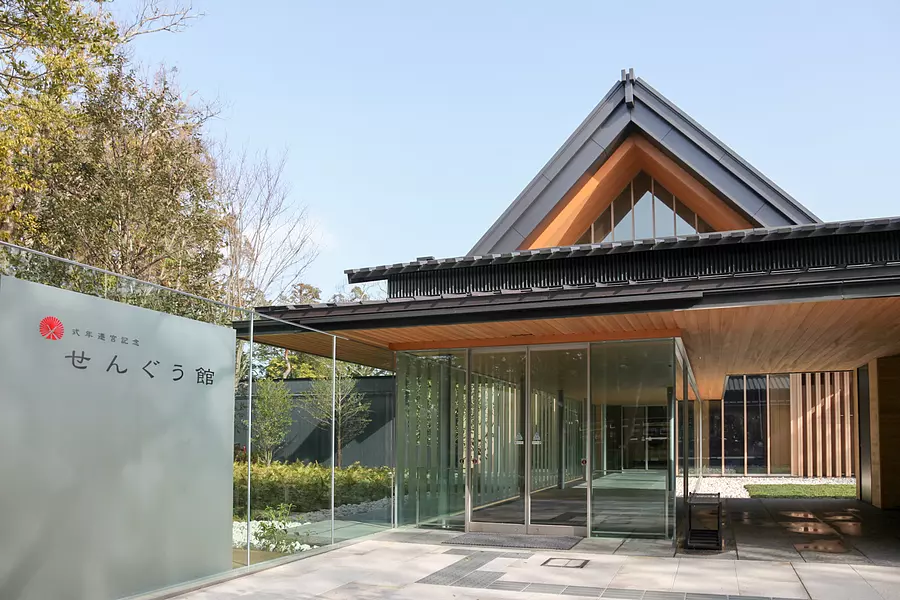
SenguKanMuseum
Museum of IseJingu
14:20 - 16:00
It is located on the shore of the Magatama Pond in IseJinguGeku and was built to commemorate the 62nd ShikinenSengu in 2013. The basic philosophy is to "convey ShikinenSengu the Jingu Shrine," and this facility displays some of the tools, rituals, costumes, and sacred treasures used in the construction of ShikinenSengu, which is repeated once every 20 years.
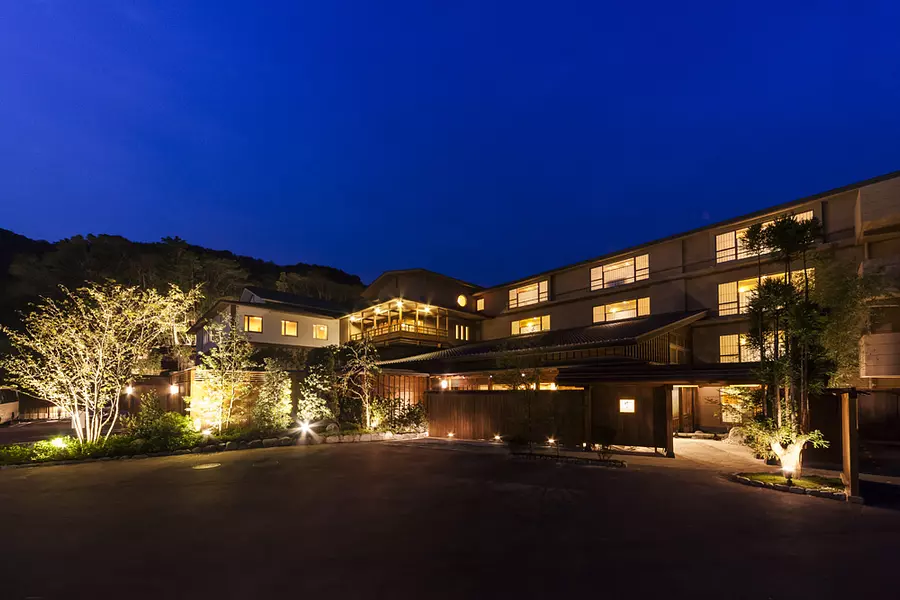
Ancient Inn Iku
16:00 - 17:00
A hot spring inn that tells the story of the ancient Ise pilgrimage. It's about a 15 minute leisurely walk through Oharai-Machi and Okage-yokocho to IseJingu Naiku. The lush forest that spreads out in front of the rooms and baths connects directly to the Naiku Forest. This is an inn that makes you feel connected to Ise-san. Inside the hotel, you can enjoy two large public baths and four private open-air baths with different styles.
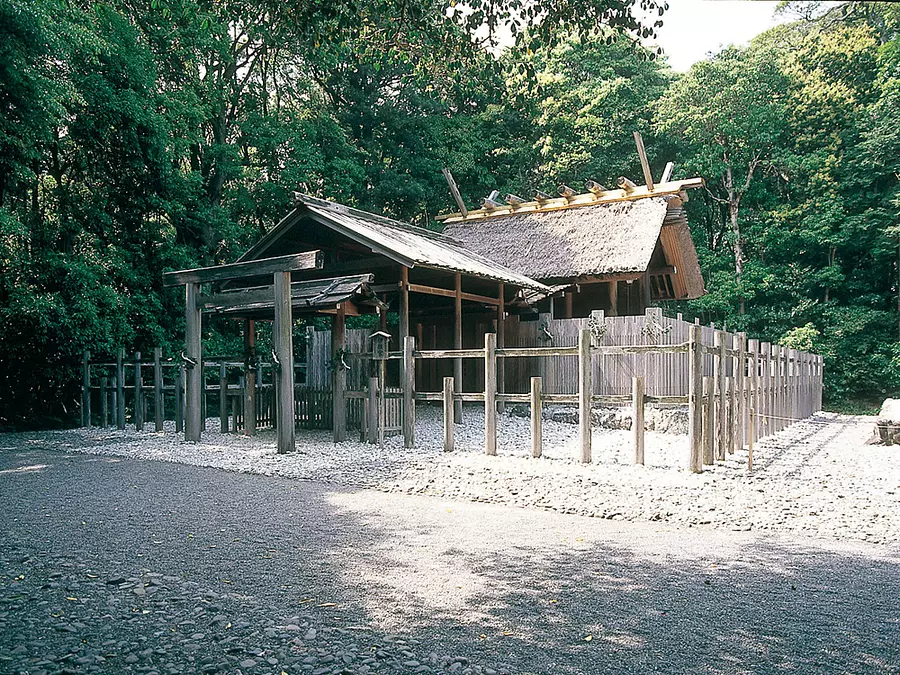
Izawanomiya
Kotaijingu Betsugu
10:10 - 11:40
Today, on the second day, I would like to visit IseJingu 's Naiku, Geku, and other spots that are connected to IseJingu! Izawanomiya (Izawa Shrine) is one of the 14 Betsugu of IseJingu, and is also known as ``Izawa Shrine.'' Amaterasu-Omikami is enshrined here, and local people have prayed for a rich harvest of seafood and mountain food since ancient times. The Otaue Festival, which is held on June 24th every year (the day of the June Monthly Festival), is registered as a national important intangible folk cultural property under the name "Isobe no Okanda" and is one of the three largest rice planting festivals in Japan. It is considered as one of the festivals.
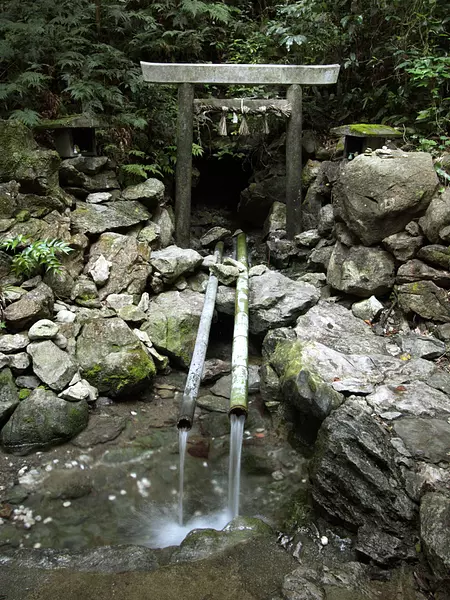
Amanoiwato
EriharaNoMizuana
11:50 - 12:50
Iwashimizu, selected as one of the 100 best waters It is said that Amaterasu-Omikami Amanoiwato, who is enshrined in Naiku (Kotaijingu) of IseJingu, lived in Ama no Iwato. Iwashimizu, which is surrounded by trees and gushes out from a water hole, has been selected as one of the 100 best waters, and the waterfall, called Misogidaki, welcomes ascetics.
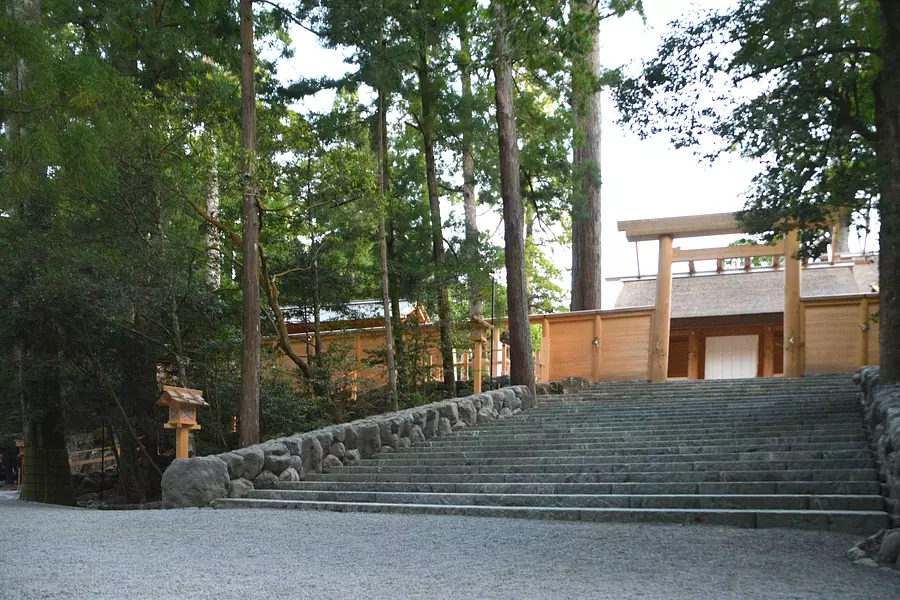
IseJingu Naiku
Kotaijingu
11:50 - 12:50
IseJingu Naiku (Kotaijingu) Visit Ise-san once a year Naiku enshrines Amaterasu-Omikami Omikami, the ancestor of the imperial family and revered by the people like a guardian deity. IseJingu affectionately known as the "home of the Japanese spirit," is a must-see spot when visiting Mie Prefecture. Walking through the vast grounds surrounded by lush greenery will refresh your soul.
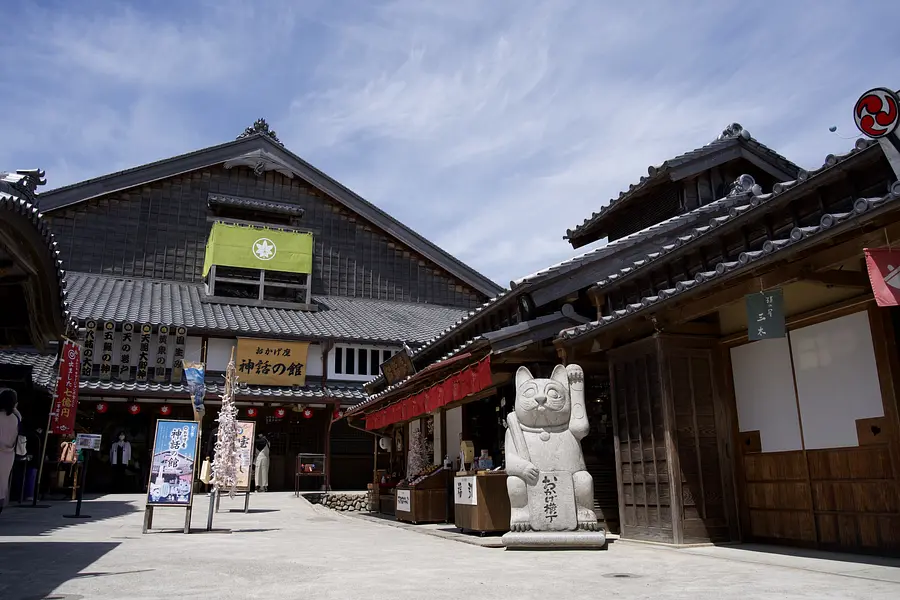
Okage-yokocho
We recommend having lunch, eating out, and visiting souvenir shops!
14:00 - 14:45
In the middle of the temple town of IseJingu Grand Shrine's inner Naiku, representative buildings of Iseji have been relocated and recreated. The charm of this region is condensed, so you can experience the taste of Mie's long-established stores, special products, history, customs, and humanity all at once! A relaxing place where every day is as lively as a festival, but where time passes in a relaxing and nostalgic way. Enjoy eating around and buying souvenirs. To enjoy Okage-yokocho to your heart's content, we recommend having lunch or eating around after visiting IseJingu, and then visiting the souvenir shops!
IseJingu Naiku
Kotaijingu
10:10 - 11:40
The enshrined deity is Amaterasu Omikami, Amaterasu-Omikami of the Japanese people, and the object of worship is the Yata mirror, one of the three sacred treasures. On the banks of the Isuzu River, at the foot of Mt. Kamiji, it is surrounded by a dense forest, and the approach to the shrine is paved with gravel. ShikinenSengu, which takes place once every 20 years, has continued for 1,300 years.
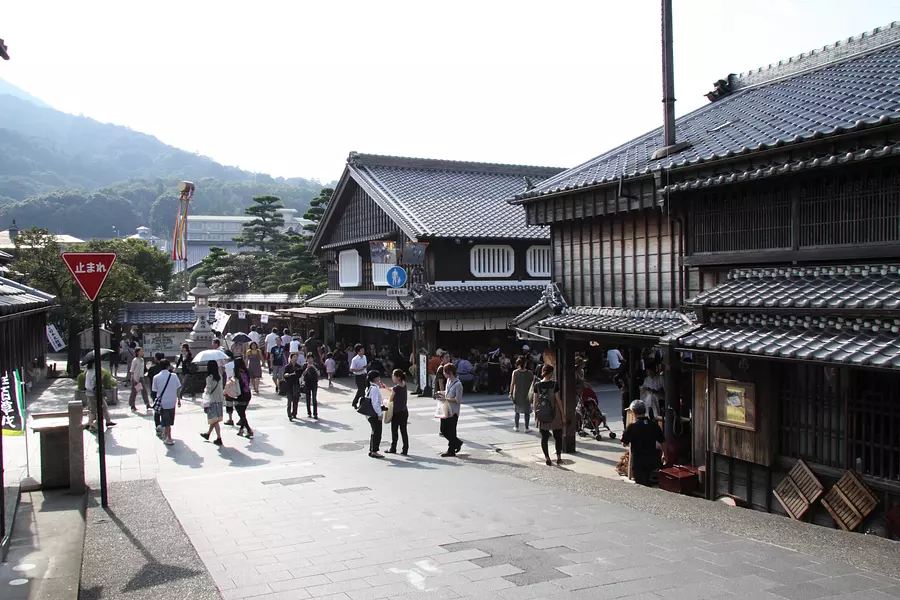
Oharai-Machi
11:50 - 12:50
Naiku UjibashiBridge Oharai-Machi", which runs along the Isuzu River from before, has developed as a torii-mae (gateway) town for . The town is lined with souvenir stores, long-established confectionery stores, and ryokan (Japanese-style inns) in the gabled, gabled, and gabled roof styles characteristic of Ise, as well as historical buildings such as the Jingu Dojo (Shrine Dojo) and the Shishu (chief priest) office building. Naiku
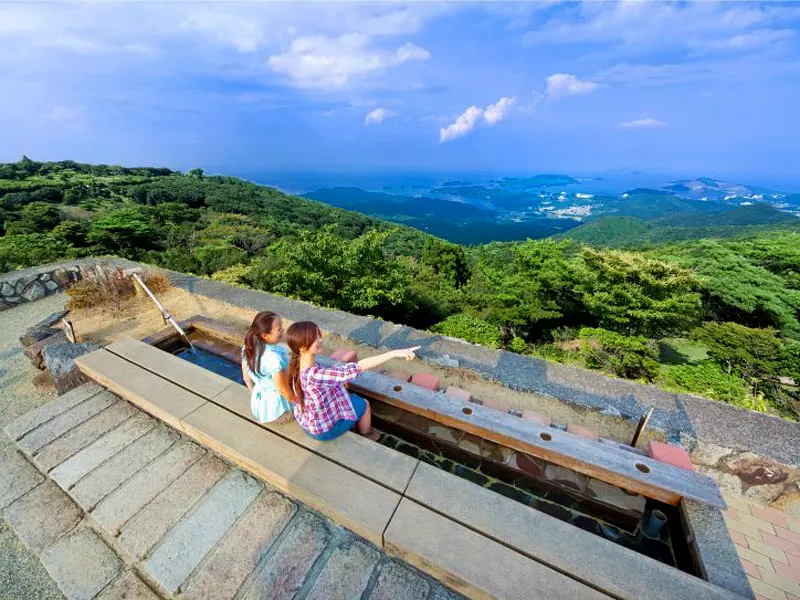
Ise Shima Skyline
14:00 - 14:45
The magnificent panorama of Ise Bay is spectacular! You can enjoy a 360-degree view of the spectacular scenery while soaking in the footbath. On a clear day, you can even see the Japanese Alps and Mt. Fuji. In the vast 150,000 square meter garden at the top of the mountain, you can enjoy seasonal flowers such as Asaguma Nanakusa and Jingu Azalea, and there are also hammocks and walking trails. There is also a photo spot called ` The Post in the sky'' on the mountaintop observation deck! Near the top of the mountain, there is Kongosho-ji KongoshojiTemple, a famous temple of the Nanzen-ji sect, which has been famous for a long time ago, saying, ``If you visit Ise, put on Asakuma.'' This temple is also called the inner temple of the shrine as it protects the demon gate of IseJingu. The main hall is designated as a nationally designated important cultural property, and one of Japan's three great Kokuzo Bodhisattvas is enshrined here.
KongoshojiTemple
15:00 - 16:30
This is an ancient temple connected to Mt.Asama located on the summit of Mt. Asama, and is also famous as the temple that protects the demon gate of IseJingu. KongoshojiTemple is said to have been founded by Akatsukidai Shonin during the Kinmei period (late 6th century). In the second year of Tencho (825), Kobo Daishi Kukai built the main dojo for Shingon esoteric Buddhism, enshrining Fukuichi Mankokuzo Bodhisattva as the principal image, and named it Shobōzan Kabutsuin Kongoshoji KongoshojiTemple. It is said that Kobo Daishi Kukai practiced Kokuzo Gumonjiho on this mountain. After that, a period of no residence continued, and in the third year of Meitoku (1392), the 71st head of Kamakura Kenchoji Temple (61st head of Engakuji Temple), Butji Zen Master, entered the temple and worked to revive the temple. Butschi Zenji is regarded as the founder of the Chukyo sect, and he converted from the Shingon sect to the Rinzai sect, becoming a temple of the Nanzenji sect of the Rinzai sect. It suffered fires in 1597 and 1609, but in 1610 Tokugawa Ieyasu ordered Terumasa Ikeda, lord of Himeji Castle, to rebuild the main hall, Maniden. After that, it was again destroyed by fire in 1804 and 1887, and many halls were lost. Existing buildings from the Edo period include Maniden, Legal Hall, Gumonjido, Uhodo, Bokaiin, Yorakuin, Donkaiin, and Kogenin. Founding year: 539-571