Sophie's Trips

A trip to experience the culture of IseJingu
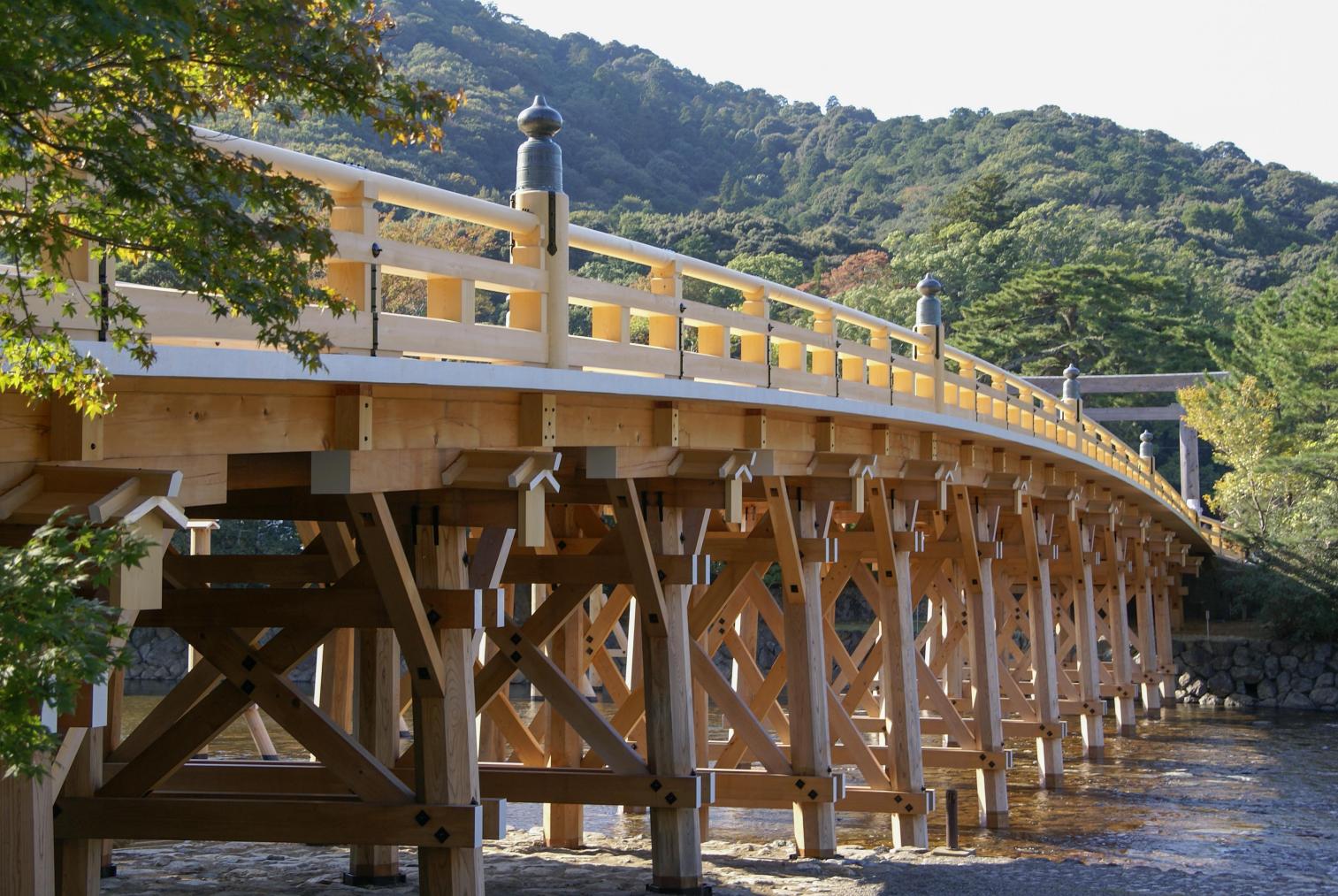
Ise IseJingu, located in Ise and boasting a history of over 2000 years, is the spiritual hometown of the Japanese people. IseJingu Shima, where IseJingu is located, is located in Futamigaura, where Meotoiwa (rocks of the married couple) is said to have been used for purification before visiting Ise Grand Shrine.It was built as a rest and accommodation facility for honored guests visiting IseJingu. There are many spots related to IseJingu Grand Shrine, such as the guesthouse and Kawasaki, the kitchen of Mr. Ise, which flourished as a wholesale district. If you take this course, you will be able to fully experience the culture of IseJingu.
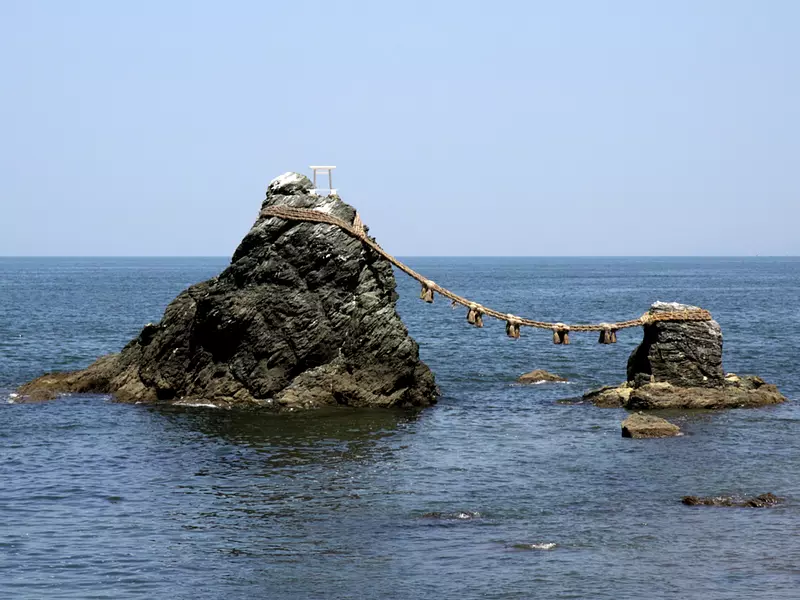
Meotoiwa

Rocks of the married couple

10:00 - 10:45

Meotoiwa has been known as a sunrise worship place since ancient times. Approximately 700 meters offshore lies the Okitama Shinseki (spirit stone) associated with Sarutahiko no Okami, which is said to be the place where the descending god rests and is a sacred place where the gods from the land of eternity approach. Meotoiwa(rocksofthemarriedcouple) is considered to be a torii gate from which to admire the Okitamajinseki and the sunrise. Otokoiwa is 9m high, Onnaiwa is 4m high, and the Oshimenawa that connects the Meotoiwa(rocksofthemarriedcouple) is 35m long and stretched 16m to Otokoiwa and 10m to Onnaiwa. It is 9m long. The Oshimenawahari Shinto ritual is held every year on May 5th, September 5th, and Saturdays and Sundays in mid-December, and it is crowded with many people. ・From May to July, you can see the sunrise from between Meotoiwa(rocksofthemarriedcouple). Especially on clear days around the summer solstice, you can see the sunrise over the back of Mt. Fuji in the distance, and the area is crowded with photographers and worshipers. ・From autumn to winter, you can see the full moon from between Meotoiwa.
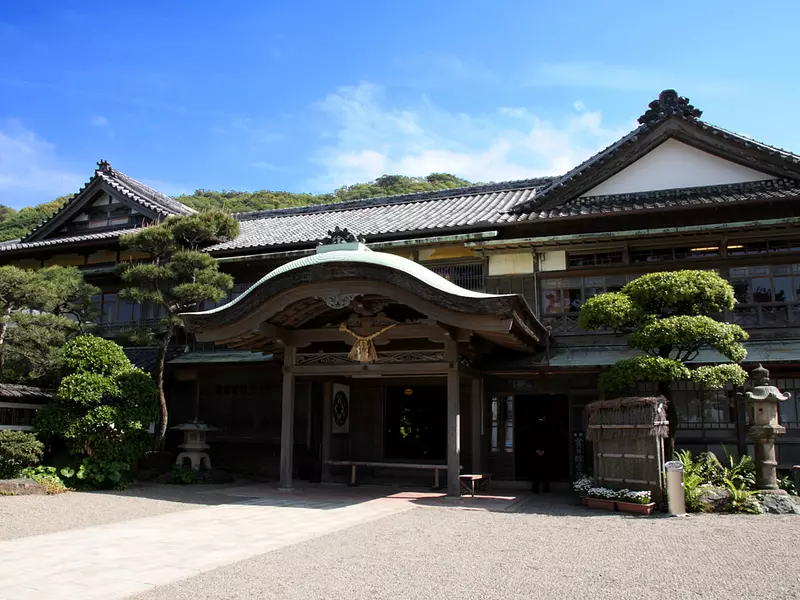
Guest house

11:00 - 11:45

The Guest House, located on FutamiuraBeach of Futamiura, was built in 1897 and is a historic building where successive members of the imperial family and dignitaries from all walks of life came to worship at IseJingu. It is currently open to the public as a museum. The Momoyama-style folded coffered ceiling and chandelier are a beautiful fusion of Japanese and Western style. The building is a nationally designated important cultural property, and the garden is a nationally designated scenic spot.You can see traditional Japanese architecture, such as the dignified design by the top architects of the time, the carefully selected materials, and the skills of the craftsmen.

Kawasaki townscape

12:00 - 13:00

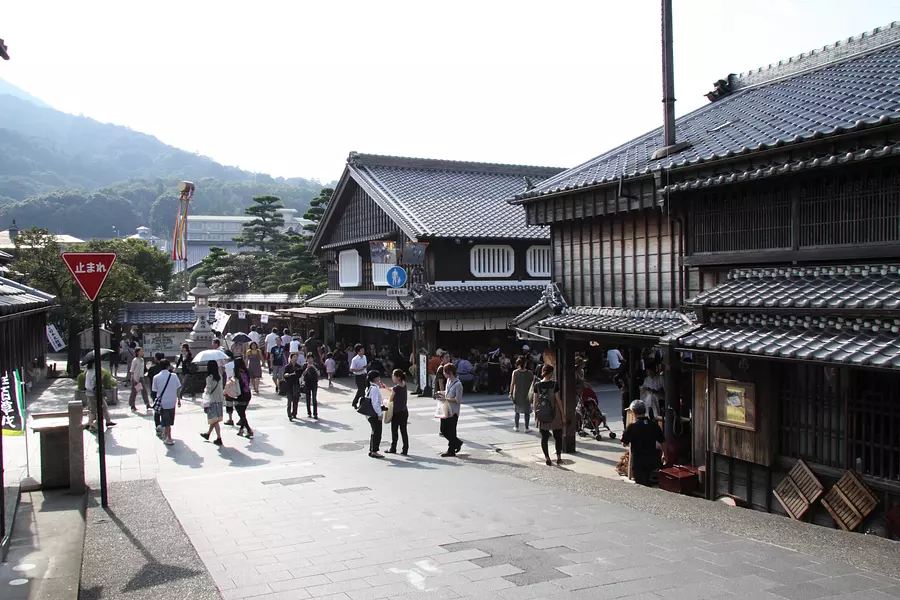
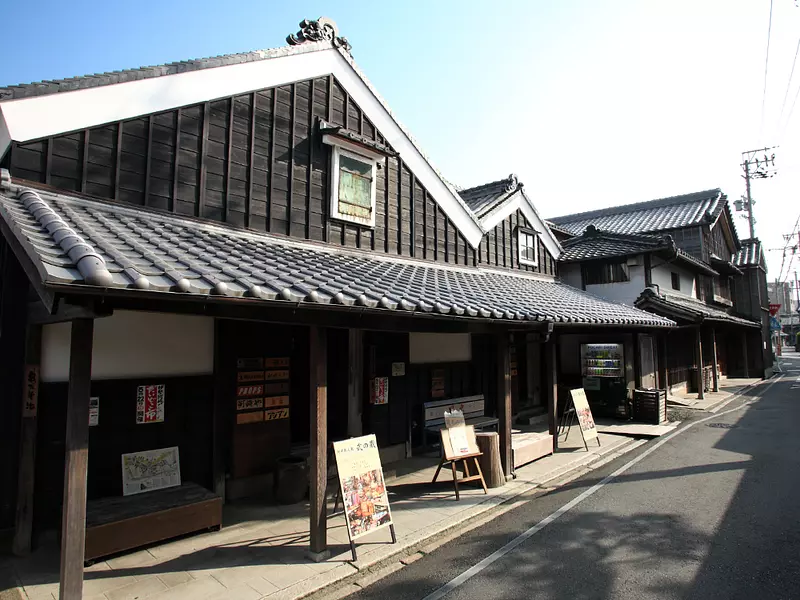
Stroll through the port town that was once called the ``Kitchen of Ise''. There are also cafes and shops in old warehouses, making it a ``kura no town'' where you can enjoy a walk through the town with an atmosphere of elegance. Along the Seta River, merchant houses with white plaster walls and storehouses with thick blackboard walls remain, reminiscent of the Edo period, when the town was a thriving town that welcomed visitors to IseJingu.

IseJingu Geku

oyouke-daijingu

13:15 - 14:15

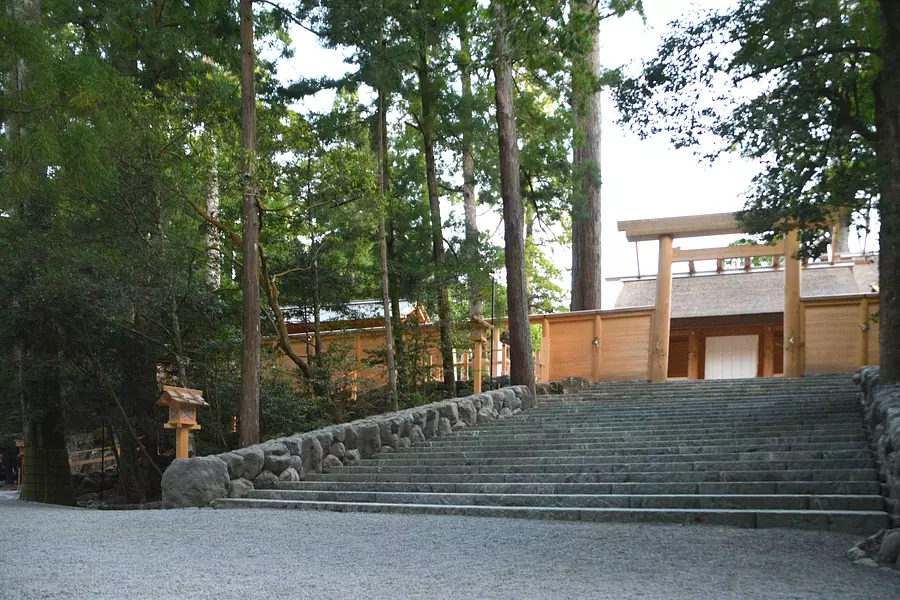
Toyouke-daijingu, located in the center of IseCity with Mt. Takakura in the background, enshrines Toyouke-no-Omikami. Toyouke-no-Omikami is the deity responsible for the meals of Amaterasu-Omikami in Naiku, and is also revered as the guardian deity of food, clothing, shelter, and industry. Passing through the torii gate, stepping on the gravel, and walking along the approach path with gentle sunlight filtering through the trees, you will be filled with a refreshing feeling.

SenguKanMuseum

Museum of IseJingu

14:20 - 16:00

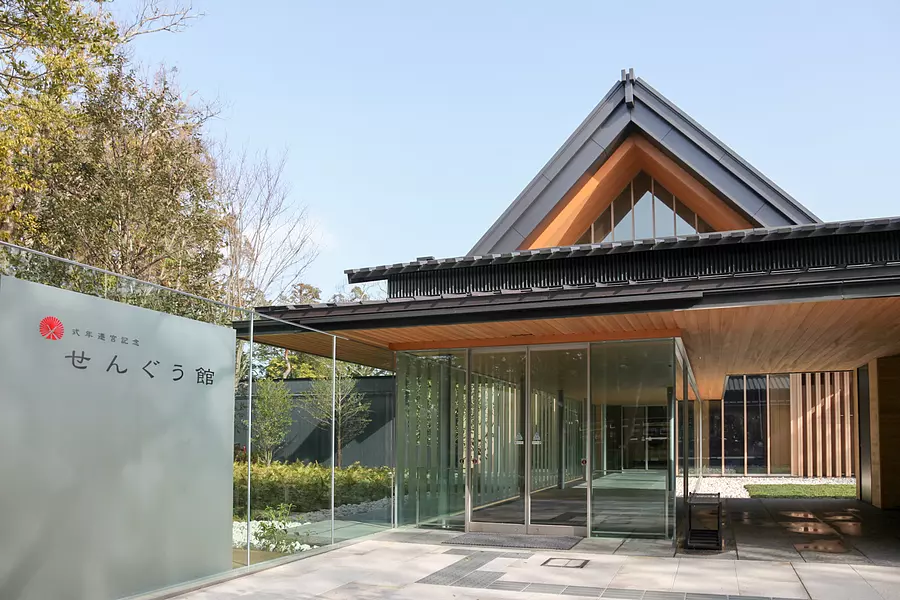
It is located on the shore of the Magatama Pond in IseJinguGeku and was built to commemorate the 62nd ShikinenSengu in 2013. The basic philosophy is to "convey ShikinenSengu the Jingu Shrine," and this facility displays some of the tools, rituals, costumes, and sacred treasures used in the construction of ShikinenSengu, which is repeated once every 20 years.

Ancient Inn Iku

16:00 - 17:00

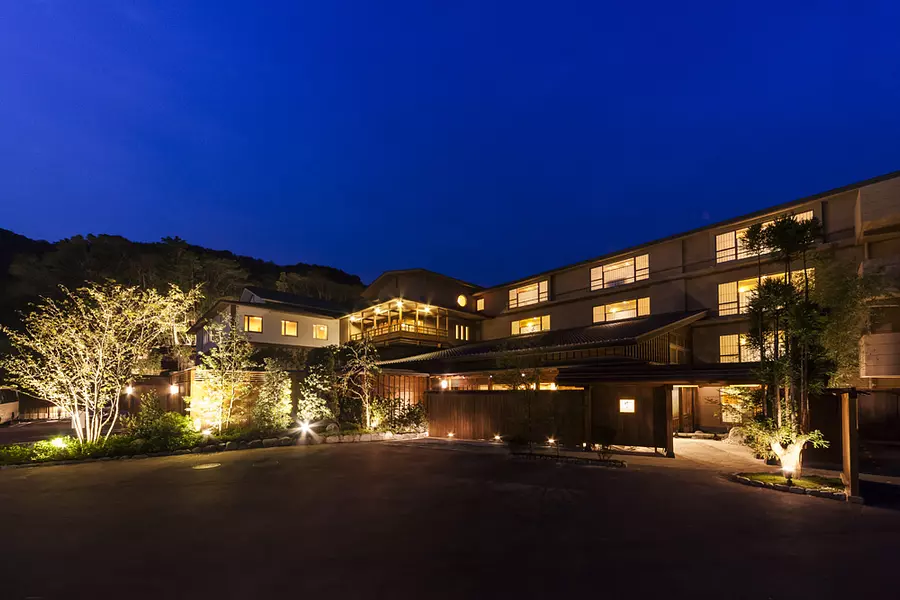
A hot spring inn that tells the story of the ancient Ise pilgrimage. It's about a 15 minute leisurely walk through Oharai-Machi and Okage-yokocho to IseJingu Naiku. The lush forest that spreads out in front of the rooms and baths connects directly to the Naiku Forest. This is an inn that makes you feel connected to Ise-san. Inside the hotel, you can enjoy two large public baths and four private open-air baths with different styles.

© 2024. Sophie Shibasaki.